


Colorado environmental regulators may eradicate rules that keep some polluted groundwater from being discharged into the state’s rivers and streams, alarming environmental advocates who fear the change could further harm already polluted urban waterways.
The Colorado Department of Public Health and Environment’s Water Quality Control Division has proposed the elimination of a permitting system that regulates how owners of underground structures deal with contaminated groundwater. The change would allow building owners to send groundwater contaminated with PFAS chemicals, arsenic and other contaminants directly into stormwater systems without treatment.
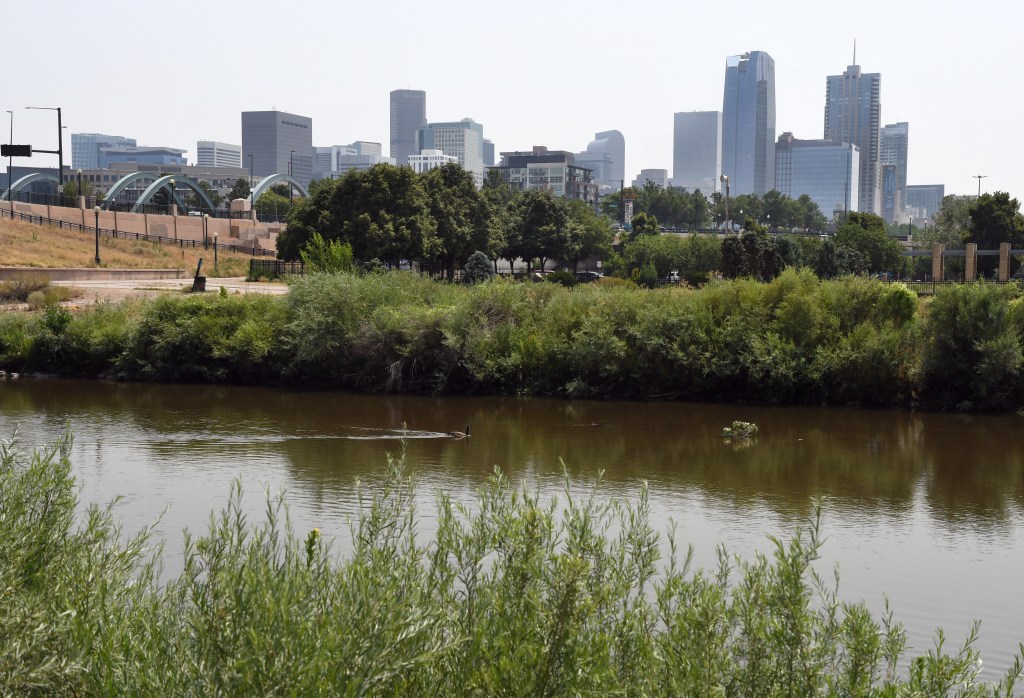
Environmental advocates and former Water Quality Control Division staff fear the change could damage the water quality of the South Platte River and its tributary Cherry Creek as they flow through Denver, along with other Front Range waterways.
“We’re talking about some really nasty toxins,” said Josh Kuhn, the senior water campaign manager for Conservation Colorado.
The permits in question regulate subterranean dewatering: the process of removing groundwater that seeps into underground structures like parking garages and basements. CDPHE oversees 113 long-term dewatering permits that require building owners to measure how much water they are discharging, test the water for pollutants and treat the water if pollutant levels exceed contamination limits.
The policy changes, if approved, would remove all permitting, reporting and treatment requirements for dewatering systems. State water quality officials said the permitting system was burdensome for building owners and that undoing the regulations would not have a large impact on water health. The water quality division is accepting public comment on the proposed change through Saturday.
Most of the 113 permitted buildings are concentrated in downtown Denver, though some are in Boulder and other Front Range communities. The Colorado Convention Center, the nearby Hyatt Regency Denver hotel and many other large downtown buildings maintain permits for their dewatering systems.
The systems remove the groundwater and send it to stormwater systems. In Denver, all stormwater flows to the South Platte, which communities downstream use for drinking water. The river for decades has suffered from poor water quality.
Groundwater in urban areas is often contaminated by the chemicals used in modern life — like fertilizers, toxic PFAS known as “forever chemicals,” firefighting foam and gasoline — as well as naturally occurring metals, like arsenic and selenium.
Many of the facilities with dewatering systems are treating water that far exceeds water quality standards, according to CDPHE data compiled by Meg Parish, an attorney with the Environmental Integrity Project who previously worked for Colorado’s water quality division managing permitting. Without the permit system, the facilities wouldn’t be required to treat the water and could instead send the contaminated water to the stormwater system and, eventually, the river.
For example, among current permittees, an apartment building in Highland is discharging water to the stormwater system with 202 micrograms of arsenic per liter — more than 10,000 times the water quality standard of 0.02 micrograms per liter for aquatic and human life. A retirement home for priests in southeast Denver is treating water with nearly four times as much uranium as the water quality standard allows.
And a parking garage on Wewatta Street next to Cherry Creek is treating water with about 15 times the concentration of PFAS included in state guidelines, which are more lax than newly announced federal drinking water standards.
CDPHE official: “Very low risk” in change
The water quality division’s director, Nicole Rowan, said eliminating the permits would have a negligible impact on the South Platte’s water quality because the number of permitted buildings was low and they were not discharging that much water.
“We do think that this proposed policy change in dewatering permits represents a very low risk to overall water policy,” Rowan said.
The change would affect only a small number of the thousands of water-quality permits the division oversees, Rowan said. Also, she said, the groundwater will make its way to the river eventually, with or without the permits.
In Denver, buildings are typically discharging about 5 gallons a minute, Rowan said. That’s about 8 acre-feet a year per building going into the South Platte, which contains about 342,000 acre-feet of water. An acre-foot is the amount of water it takes to cover an acre — about the size of a football field — with a foot of water.
The water quality division has heard concerns over the last year about the affordability of complying with the permit requirements, especially when it comes to affordable housing projects, Rowan said.
But concerns about affordability should not cause the entire permitting process to be canceled, Parish said. The current system allows for developers and building owners to apply for exceptions to requirements, such as when the required treatment is exorbitantly expensive or technically impossible, she said.
“I think this is something that developers should be spending their money on,” Parish said. “But if the argument is that this treatment is too expensive, they can’t afford it — then there are legal ways to address that.”
“It prioritizes short-term convenience”
Advocates with Conservation Colorado are particularly concerned about the planned extensive redevelopments of Elitch Gardens Theme and Water Park and around Ball Arena — two large sites that sit in the crux of the confluence of the South Platte and Cherry Creek.
If the permitting system is nixed, some of the progress made by state lawmakers and federal regulators to limit the spread of PFAS will be undone, Kuhn said.
“It prioritizes short-term convenience and cutting costs over long-term health and environmental protections,” he said.
The change also would violate state and federal clean water law, Kuhn and Parish said. It could open the division up to litigation and create legal uncertainty in the regulatory process, Kuhn said.
The Water Quality Control Division’s own policy states that the Colorado Water Quality Control Act mandates that all point source discharges of pollutants to state waters — such as from dewatering systems — are subject to discharge permit requirements. The division then states it will not use permits to regulate dewatering discharges, however.
Rowan said the division is using its enforcement discretion to no longer implement regulations on dewatering. The division administers thousands of permits and must triage which pollutant sources they use resources on, she said.
“I think our decision here was to propose exercising enforcement discretion based on weighing the high cost of treatment and resources with what we think are relatively low environmental benefits from the permits,” Roman said.
The water quality division does not have an implementation date for the proposed policy change, if enacted. Public comment can be sent to Rowan via email at nicole.rowan@state.co.us.
“I think we’re going to let the feedback inform next steps on this policy,” Rowan said.
Get more Colorado news by signing up for our Mile High Roundup email newsletter.