


Across the globe, wildlife is in crisis. Insect populations are crashing, bird species are disappearing, and pollinators, the unsung heroes of food production, are vanishing at alarming rates. One of the primary culprits behind this ecological unraveling is habitat loss, driven by urban development, industrial agriculture, and the widespread use of non-native ornamental plants. But amid the decline, a powerful solution is taking root — quite literally — in backyards and gardens across the country: keystone native plants.
What are keystone native plants?

Keystone plants are native species that play an outsized role in sustaining the ecosystems where they evolved. Much like the keystone in an arch that holds the entire structure together, these plants provide crucial support to local food webs. They feed the caterpillars of native butterflies and moths, offer nectar to pollinators, and shelter and nourish countless birds and mammals.
Research by entomologist Dr. Doug Tallamy, a professor at the University of Delaware, reveals the remarkable impact of these species: a mere 14% of native plant species support over 90% of caterpillar species in any given area. And because caterpillars are a primary food source for birds (one brood of chickadees requires 5,000 to 9,000 insects to reach maturity), the loss of these insects leads to cascading effects throughout the ecosystem.
In Colorado and beyond, gardeners and conservationists are beginning to recognize that planting keystone native species can bring entire ecosystems back to life.
Why native plants matter
Over thousands of years, insects have evolved intimate relationships with specific plants in their region. Many native bees, for example, are pollen specialists, meaning they can only feed on the pollen of certain plants. Jarrod Fowler, a horticulture researcher, has found that 15% to 60% of North American native bee species depend on just 40% of native plants as a source of essential nectar and pollen.
Non-native ornamentals, while attractive, simply don’t provide the food and shelter these insects need. They’re like empty restaurants to hungry insects. Only native plants, adapted to local climates and ecological conditions, can nourish the diversity of insect life required to sustain healthy populations of birds, mammals, and other wildlife.
Colorado’s keystone heroes

Colorado spans three distinct ecoregions: the Northwestern Forested Mountains, the Great Plains (including the Front Range and eastern plains), and the North American Deserts (covering the Western Slope and San Luis Valley). Each region has its own suite of keystone plants, native trees, shrubs and perennials that have evolved to support the insects and animals of that landscape.
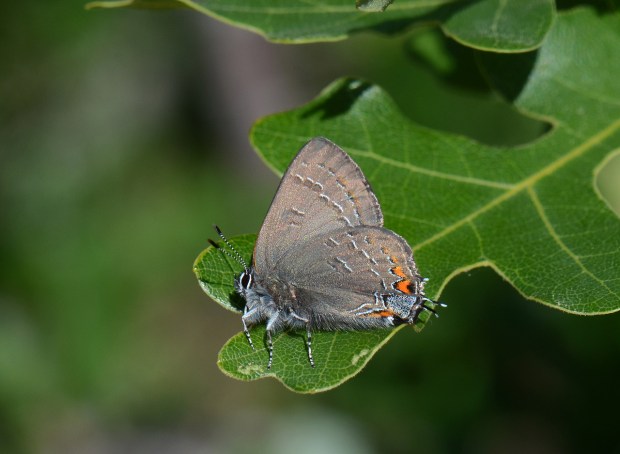
In the Great Plains, Bur oak (Quercus macrocarpa) stands tall as a giant in both stature and ecological value. Reaching heights of 60 to 80 feet, it supports over 250 species of caterpillars. Its acorns feed squirrels, deer, wild turkey and even black bears. In the drier western regions of the state, Gambel oak (Quercus gambelii) fills a similar role, growing in dense thickets providing food and cover for a variety of wildlife. Larvae of the Colorado Hairstreak, our state butterfly, survive solely on Gambel oak leaves.
Chokecherry (Prunus virginiana) thrives across all three ecoregions. Its spring blossoms draw early-season pollinators, while its leaves host more than 200 species of caterpillars, including the larvae of the striking cecropia moth (the largest moth in North America) and the yellow and black striped eastern tiger swallowtail. Later in the year, its berries feed songbirds, foxes and bears.
Then there’s rabbitbrush (Chrysothamnus and Ericameria spp.) and goldenrod (Solidago spp.), often-overlooked heroes of the high plains and desert landscapes. Blooming in vibrant yellow in late summer and fall — when few other plants are in flower — rabbitbrush and goldenrod offer critical nectar to pollinators preparing for migration or overwintering. They may not host as many caterpillar species as oaks or chokecherries, but they fill a seasonal niche that few others do.
Every yard counts
The good news? You don’t need to have a yard the size of a park to make a difference. Whether you have a sprawling backyard, a modest front yard, or even just a few containers on a balcony, you can contribute to the restoration of local biodiversity. By planting keystone native plants, you’re not just adding beauty to your landscape, you’re also creating habitat.

Even a single chokecherry or a pot of goldenrod can become a haven for insects, birds, and small mammals. As more people recognize the power they have to shape the environment, nurseries and native plant organizations are making it easier to access keystone species. Conservation groups like the National Wildlife Federation and Dr. Tallamy’s Homegrown National Park offer regional guides to help you select the right plants for your area.
A call to action
In a time of accelerating climate change and biodiversity loss, the choices we make in our landscapes matter more than ever. By choosing keystone native plants, we’re not just gardening, we’re rebuilding ecosystems, one yard or even one pot at a time.
The stakes are high. Without insects, birds disappear. Without birds and pollinators, food webs collapse. But with thoughtful planting and a renewed connection to our local environments, we can turn the tide. Insects return. Birds follow. Life comes back.
So, plant an oak. Add some chokecherry. Let rabbitbrush and goldenrod brighten your fall. And know that with every keystone plant, you’re helping to hold the arch of life together.
Start your own small biodiversity revolution.
Pam Rosendal has been a Colorado master gardener in Arapahoe County since 2016.