


Helena Oliviero | The Atlanta Journal-Constitution (TNS)
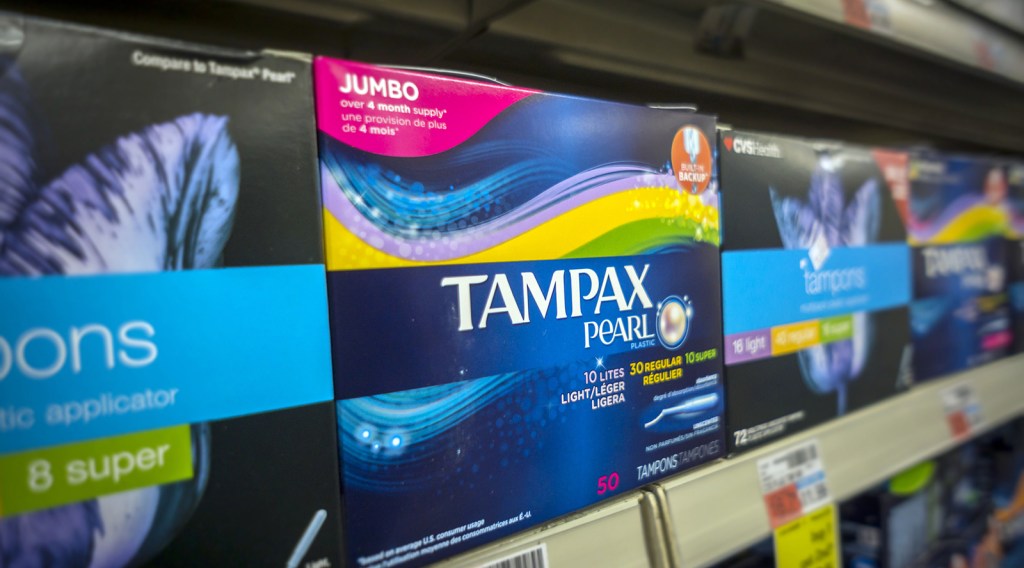
The Food and Drug Administration announced it has started a research project examining the possible effects of toxic metals in tampons, sparking concerns about products used by millions of women in the U.S.
A recent study found a variety of metals — including mercury, arsenic and lead — in more than a dozen brands of tampons.
The FDA said the study will help better understand the potential impact and whether the metals are causing harm to women. The need to understand this is of critical importance: Up to 80% of girls and women who menstruate use tampons for nearly a week every month for decades of their lives.
The FDA said Tuesday while the study, led by a UC Berkeley researcher and published in July, found metals in some tampons, the study “did not test whether metals are released from tampons when used.”
“It also did not test for metals being released, absorbed into the vaginal lining, and getting into the bloodstream during tampon use. The FDA has therefore commissioned an independent literature review and initiated an internal bench laboratory study to evaluate metals in tampons,” the FDA said in a statement.
One of the key questions will be determining how much, if any, of the metals leach out of the tampons and are absorbed by the body.
The recent study, published in the journal Environment International, evaluated levels of 16 metals in tampons: arsenic, barium, calcium, cadmium, cobalt, chromium, copper, iron, manganese, mercury, nickel, lead, selenium, strontium, vanadium and zinc. They looked at 30 tampons from 14 different brands sold in the U.S. and Europe. They included organic and nonorganic tampons, name brands and generic store brands.
The brands tested were not named in the report, but researchers found metals were present in all types of tampons studied. Lead concentrations were higher in nonorganic tampons but arsenic was higher in organic tampons.
Researchers noted more investigation is needed to better understand the risk posed to women.
The findings are particularly concerning because the vagina has a higher potential for chemical absorption than skin elsewhere on the body, and can result in systemwide exposure. Chronic exposure to metals have been found to increase the risk of a wide variety of health woes including heart disease, dementia, infertility, diabetes and cancer. In addition, metals can harm maternal health and fetal development.
Given the potential for a major health concern, it’s an area of surprisingly little research.
Lead author Jenni A. Shearston, a postdoctoral scholar at the UC Berkeley School of Public Health and UC Berkeley’s Department of Environmental Science, Policy, & Management said she thought her research was the first to measure metals in tampons.
Researchers noted metals could make their way into tampons a number of ways: The cotton material could have absorbed the metals from water, air, soil, through a nearby contaminant (for example, if a cotton field was near a lead smelter) or some might be added intentionally during manufacturing as part of a pigment, whitener, antibacterial agent or some other production process.
After the study was released Dr. Cherie Hill, an Emory Healthcare gynecologist and obstetrician told The Atlanta Journal-Constitution she was very surprised to learn these findings were only coming to light now.
“We’ve heard about heavy metals in other sources like water and clothing, and I was just like, ‘Why wouldn’t we have looked at tampons previously?’” she said.
Hill said she doesn’t think women should “throw out all of their tampons,” but there were some alarming findings in the study that could give some women pause about the continued use of tampons. She said more research is critically needed to know the impact.
“We need to know what is going into our bodies and we need to know how that will impact our health,” she said.
“The paper talks about lead present in all of (the tampons) and we don’t know if there’s a safe level of lead that should ever be in your body,” she said. “Some people may say ‘Because I don’t know the impact, I want to avoid it.’”
But even alternatives, including silicone menstrual cups and period underwear, have questions about their safety and more research is needed on those products too, she said. Many brands of menstrual pads contain elevated levels of chemicals linked to developmental and reproductive harm, according to a 2019 study in the journal Reproductive Toxicology.
Concerns about tampons go back decades. In 1980 scientists confirmed concerns that super-absorbent tampons were associated with toxic shock syndrome.
The FDA didn’t give a timeline to release its findings.
©2024 The Atlanta Journal-Constitution. Visit at ajc.com. Distributed by Tribune Content Agency, LLC.